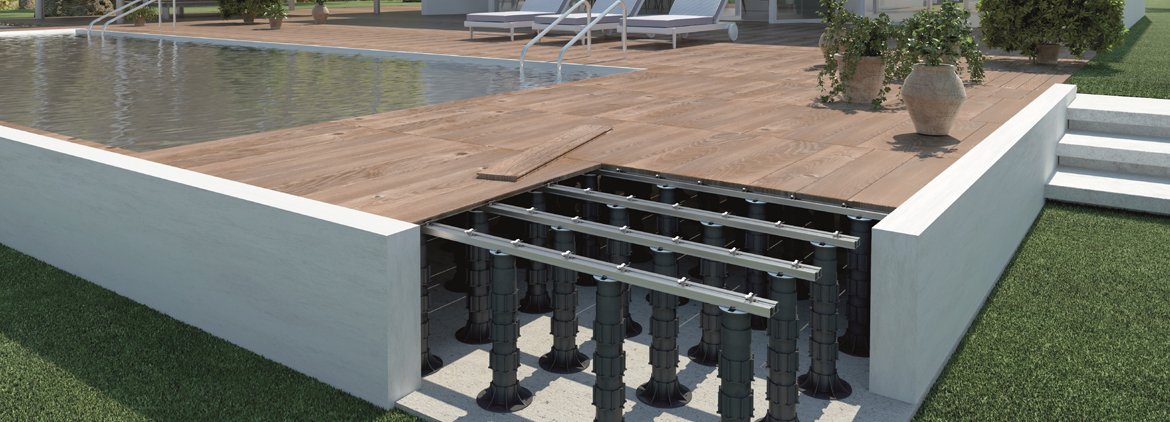
Wind does not lift a roof deck the way a cartoon tornado lifts a barn. It creates pressure differentials across parapets, corners, and large openings, then tries to peel anything that is not positively attached. Loose-laid porcelain on a roof deck pedestal field relies on mass, friction, and engineered edge restraints. Near the Atlantic—from the Rockaways to Montauk—exposure categories rise, and conservative detailing stops being optional.
In New York City, tall towers add channeling at setbacks. A corner bay on a 40-story building can see demands very different from a center field. The roof deck pedestal system layout must translate structural wind reactions into manufacturer-approved clip patterns. “We always do it this way” is not a calculation.
Edge zones and corners
Manufacturers often require denser restraints at perimeters and corners. That affects pedestal spacing, head selection, and sometimes paver format. Changing paver size late can invalidate uplift letters. Hold the finish module constant through DD unless engineering re-runs the numbers.
Ballast assumptions
Some systems count paver weight as ballast; others add discrete ballast pavers. Snow and ice alter effective friction temporarily. Coastal spray can crust joints with salt. Maintenance that keeps joints clear supports the engineering story assumed at design.
We connect architects with manufacturer engineering for roof deck pedestal lines appropriate to exposure, and we flag Long Island projects where ASCE wind maps deserve extra attention. Bring MWFRS direction and rough height; we will help you ask the right first questions before shop drawings cycle endlessly.
Shop drawing discipline
When submittals return with generic uplift letters, push for the version that names your paver module, your exposure class, and your parapet height category. Inspectors in New York jurisdictions may not read every submittal, but peer reviewers and insurance carriers sometimes do. A coherent roof deck pedestal system story on paper prevents the field from improvising clips under pressure.
Post-occupancy, remind owners that seasonal furniture and glass windscreens change aerodynamics subtly. Heavy planters might help or hurt depending on placement. The original engineering assumed certain surface conditions; major changes deserve a quick engineer glance—not because pedestals are fragile, but because liability chains are long on coastal roof deck pedestal projects.