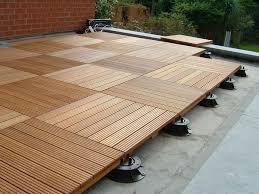
People experience a rooftop as the surface under their shoes. Building science experiences it as a sandwich moving water from sky to drain without stopping in the wrong layer. A roof deck pedestal system creates a deliberate void between finish and membrane. That void is not empty space in a poetic sense; it is a working corridor for gravity flow, evaporation, and—when detailed right—occasional inspection.
In New York City summers, relative humidity climbs and afternoon storms drop water faster than drains can empty if strainers clog. Upstate, spring melt does something similar with grit. The roof deck pedestal field must keep those flows honest. When installers pack rock wool scraps “to quiet the deck” or leave packaging under pavers, they accidentally build dams. Good supervision prevents folklore solutions.
How much void is enough
Manufacturers publish minimum cavity heights for drainage mats and pedestal bases. The answer depends on expected flow, paver size, and roof slope. A low void can work on a aggressively sloped roof; a nearly flat recovery slope needs more generosity. The roof deck pedestal system specification should cite the drainage layer by name and thickness, not “TBD by contractor.”
Cross-flow to drains
Drains are points; rain is a field. Water must cross the roof under the pedestals without crossing membrane laps backward. That is a detailing exercise at cricket valleys, equipment curbs, and door saddles. Pedestals should not block the diagonal path from high point to strainer. When they do, you get a soft pond that owners never see until a smell suggests biology is happening under the pavers.
Testing helps. Flood tests on the membrane happen before pedestals; afterward, a controlled hose test at select bays can reveal lazy slopes at perimeters. Document results. New York State owners appreciate paperwork when insurance asks whether maintenance was reasonable.
We translate drainage intent into roof deck pedestal layouts that preserve continuous relief to drains, with notes for strainer access after leaf drop. Send your roof plan with drain locations; we will color-code problem triangles before they become warranty arguments.