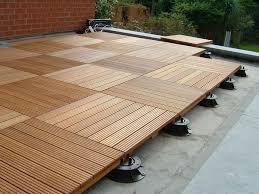
Brooklyn and Queens share a construction truth: the roof is often easier to reach than the sidewalk is to share. A full roof deck pedestal system order can weigh thousands of pounds across cartons optimized for factory handling, not for a narrow townhouse stair or a freight elevator booked solid by drywall. When logistics fail, the first casualty is schedule; the second is the membrane, scratched by pallets dragged “just ten feet” across an unfinished roof.
Successful projects sequence deliveries to the hour. That sounds aggressive until you have watched a flatbed circle Gowanus for forty minutes because the GC’s flagger is on another job. For a roof deck pedestal package, ask early whether the hoist can accept pallet depth, whether swing radius clears neighboring buildings, and whether overnight street storage is legal. DOT rules and community board patience are real constraints in neighborhoods from Long Island City to Flatbush.
Staging on the roof without drama
Once material is airborne, the roof becomes a warehouse with a view. Laydown lanes should avoid low points where water collects during unexpected rain. Pallets should sit on wood dunnage or manufacturer-approved pads—not directly on a fresh membrane. Crews should stage by grid zone so installers carry pedestals the shortest distance, reducing the temptation to skid boxes. A simple color-coded plan for “Zone A / Zone B” on a roof deck pedestal system drawing saves hours of debate.
Queens low-rise versus Brooklyn mid-rise
Queens has many wood-frame podiums with generous exterior stairs; Brooklyn has more mid-rise steel with single freight cars. The logistics playbooks differ. In Queens, you might run a telehandler in a closed lot; in Brooklyn, you might need a boom pick to a setback roof. Neither is a roofing detail on paper, but both decide whether your roof deck pedestal arrives as cartons or as a weather-soaked lump.
Labor calendars also interact with school-year noise rules in residential zones. Weekend work may be limited. That pushes pedestal installation into weekdays when elevator priority competes with move-ins. Coordinating with building management is not courtesy; it is throughput.
We support contractors with realistic crate counts per lift based on hoist capacity and with advice on splitting shipments so the roof is never buried under more roof deck pedestal system components than can be installed before the next rain line on the forecast.
If you are bidding a Brooklyn or Queens rooftop, send the vertical transportation plan with your RFQ. We will respond with a logistics-aware bill of materials and a staging sketch you can drop into the safety pre-task plan.